By Grega Horvat
If there is one concept traders need to understand before anything else in Elliott Wave, it is the difference between impulses and corrections. This is the foundation of market structure, and if you can read that properly, everything else becomes easier.
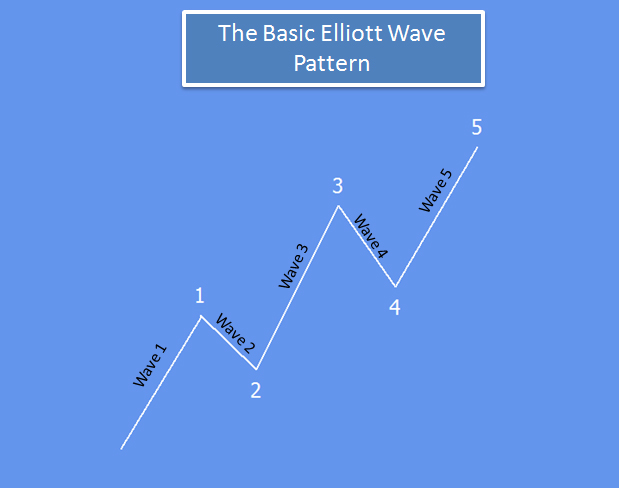
An impulse is a strong directional move. It is the kind of price action that shows commitment. It tends to be sharp, clean, and aggressive. In Elliott Wave terms, an impulse usually unfolds in five waves and moves in the direction of the larger trend.
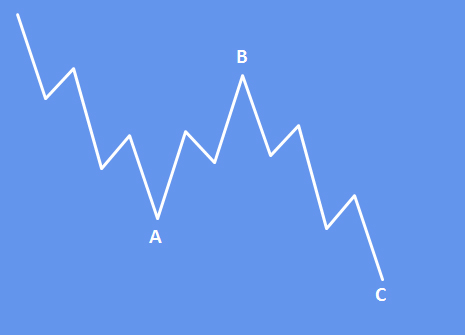
A correction is different. It is a pause, not the main move. Corrective price action is usually slower, more overlapping, and much less clean. It can be frustrating to trade because it often creates confusion, false starts, and back and forth movement. That is exactly why traders need to recognize it.
This distinction matters because many bad trades come from misreading a correction as a new trend. A trader sees a rebound after a decline and assumes the market is ready for a major rally. Or they see the first drop after a strong rise and assume the whole trend has changed. In many cases, it is only a temporary pause.
Impulses are the moves you want to respect. Corrections are the moves you want to understand. If you mix them up, your timing will usually be poor.
A good example is a strong bullish market. Let us say price rallies in a very sharp and extended move. That tells you buyers are in control. If the market then begins to pull back in a slow and choppy manner, that pullback is more likely corrective, not the start of a bear trend. In that case, the correction may actually be preparing the next opportunity in the direction of the original trend.
The same principle works in reverse. If a market falls sharply in what looks like five waves, that decline deserves respect. If the rebound that follows is only choppy and overlapping, it may simply be a temporary correction before another decline.
That is why I always look for clear directional movement first. I want to see a market that is actually moving, not one that is stuck in noise. If the chart is too messy and everything overlaps, I lose interest very quickly. The best opportunities usually come when price structure is simple and readable.
Another important point is that corrections are usually made of at least three waves. This is one of the simplest and most useful rules in Elliott Wave. If a market has only made one drop and traders are already trying to buy aggressively, they may be stepping in too early. Quite often, the correction is not finished yet.
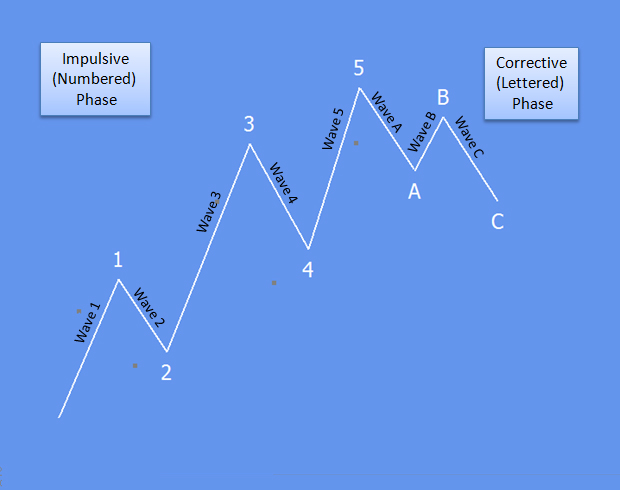
This is especially important after strong sentiment extremes. A market may drop sharply and everyone suddenly thinks it is cheap. But if the correction has only just started, the first decline
may only be wave A. Then comes a temporary rebound in wave B, and after that another decline in wave C. Traders who do not understand this structure often buy too early and get trapped and stoped out at new swing low.
The beauty of this concept is that it keeps you from forcing trades. If you know what an impulse looks like and what a correction looks like, you can step back and wait. You do not have to react to every move. You can let the market reveal what kind of phase it is in.
Most traders focus too much on direction and not enough on quality. They ask whether the market is up or down. I think a more useful question is whether the move is impulsive or corrective. That tells you far more about what may come next.
Learning this takes practice, but once it starts to click, it changes how you see charts. You stop chasing random moves and start focusing on structure. And once you can separate impulses from corrections, you are already much closer to trading with discipline instead of emotion.
If you like Elliott Wave principle – you can dive in deeper, and actually learn how to do it yourself by clicking down below

Elliott Wave School
Video lessons about the Elliott Wave theory. Access to more than 7 hours of educational material
GIFT: one month free access to our premium services)